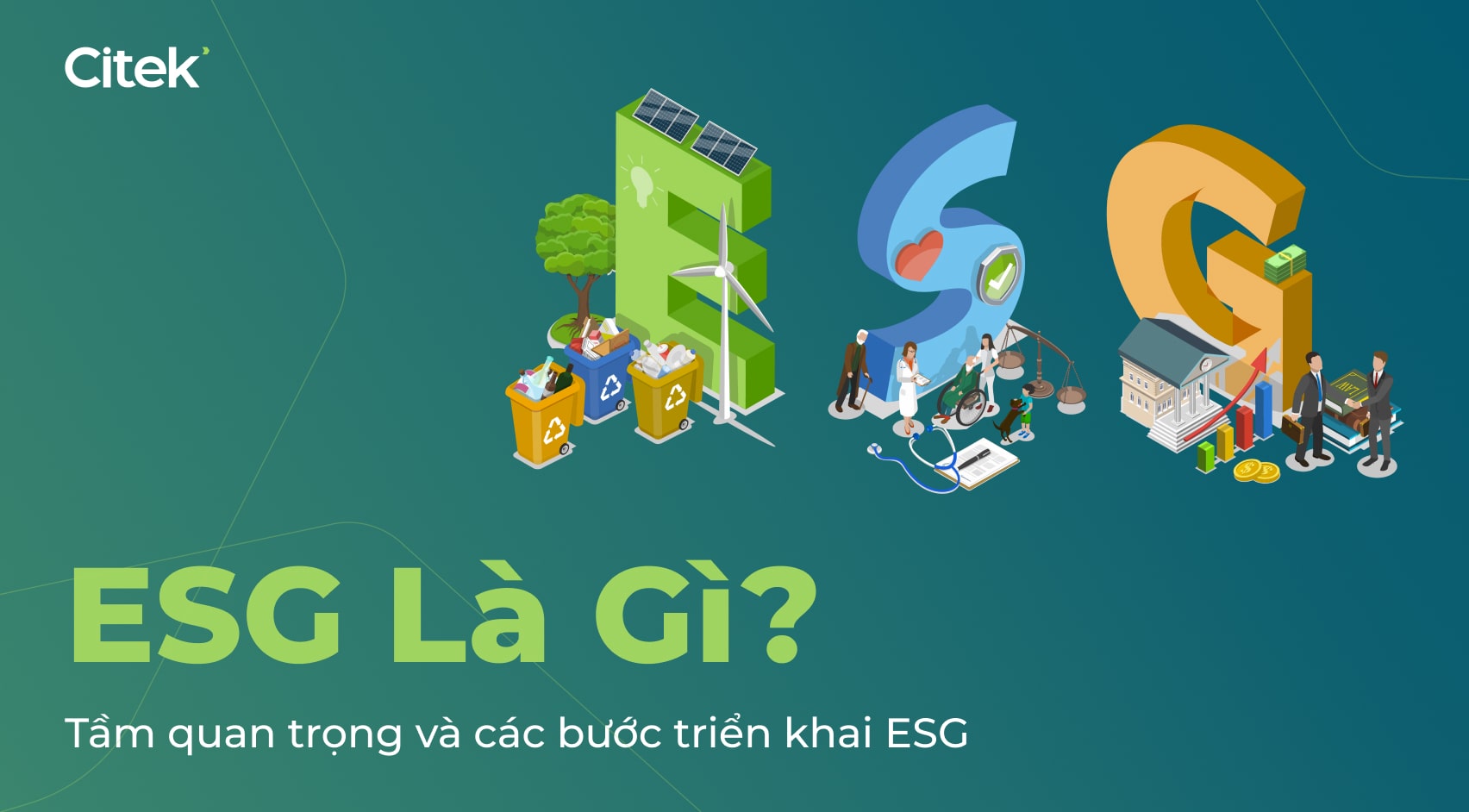
 What Is ESG? Its Importance and the Steps to Implement It
1. What Is ESG?
ESG stands for Environmental, Social, and Governance — three standards used to measure how sustainably a business operates. Environmental refers to a company's interactions with the natural environment. Social relates to social issues such as labor rights, human rights, and community rights. Governance refers to how a company is directed and managed.
 ESG stands for three standards used to measure how sustainably a business operates
2. The Components of ESG
ESG is made up of three main components:
Environmental: Assesses a company's activities related to protecting the environment. Criteria commonly used to evaluate the environmental factor include natural resource use; waste, emissions, water, and energy management; and the company's impact on climate change, among others.
Social: Refers to how a company treats its employees, the community, and its customers. Social factors include providing fair working conditions; ensuring employee safety; respecting human rights and upholding related policies; ensuring product and service quality; and participating in community activities, among others.
Governance: Assesses how a company is directed and managed. Governance factors commonly considered include transparency; leadership accountability; risk management and fraud prevention; and spending and financial management, among others.
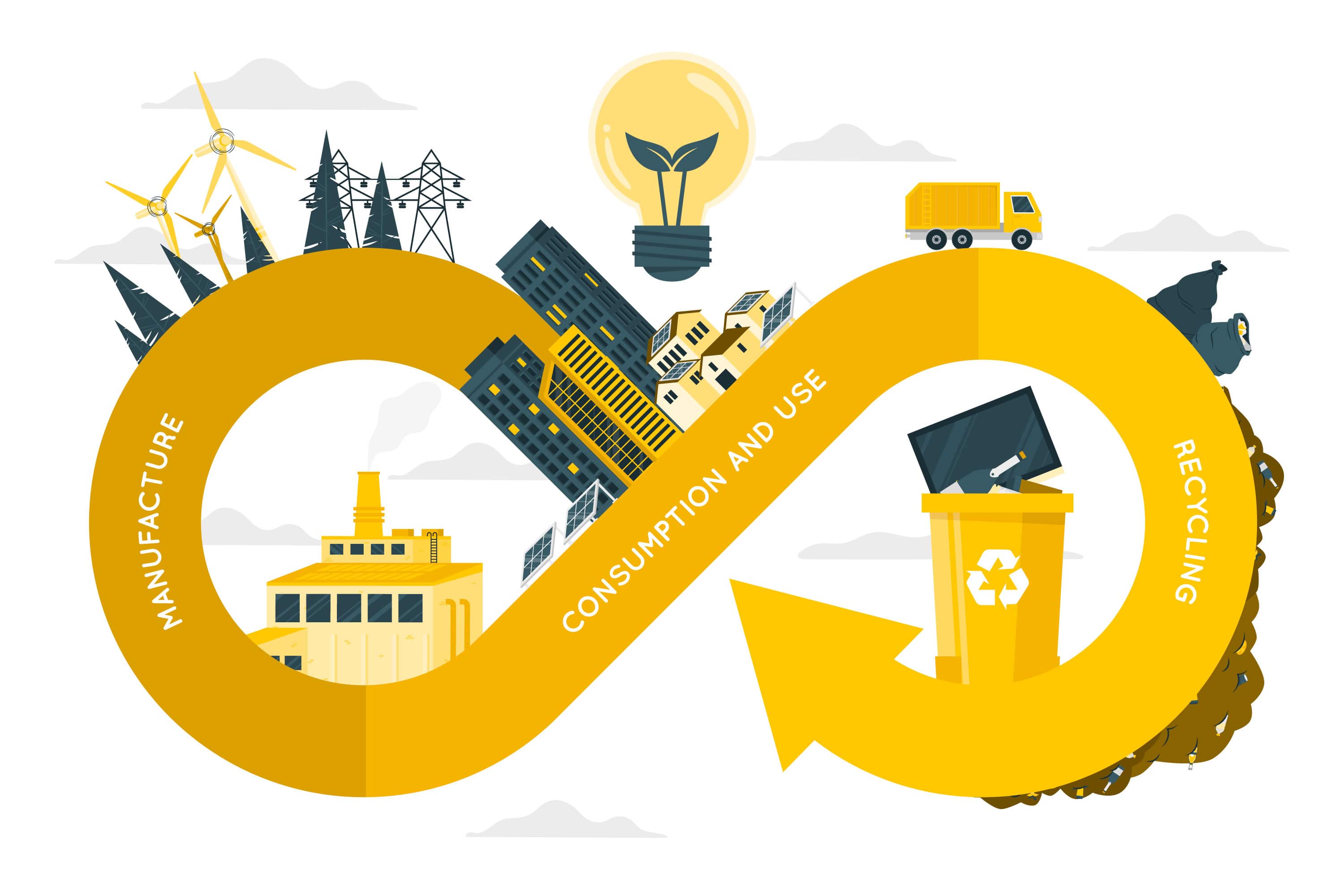 Each component of ESG is assessed through a range of related factors and activities
3. ESG Reporting Frameworks
An ESG reporting framework is a standardized approach for disclosing a company's ESG-related information. The purpose of an ESG reporting framework is to strengthen transparency and provide information to stakeholders. Common ESG reporting frameworks include the Global Reporting Initiative (GRI), the Sustainability Accounting Standards Board (SASB), and the Task Force on Climate-related Financial Disclosures (TCFD).
4. The Benefits of ESG for Businesses
Adopting ESG brings a range of benefits to businesses:
4.1. Top-Line Growth
According to KPMG's 2022 Customer Experience Excellence (CEE) Report for Vietnam, based on a survey of 1,560 consumers, up to 93% of customers in Vietnam are willing to pay more for products and services with ESG built in. By developing sustainable products, businesses have the opportunity to attract new individual and institutional customers. At the same time, implementing ESG also helps businesses build and strengthen their network of stakeholders within the community, allowing them to make the most of available resources.
4.2. Cost Reduction
Adopting energy- and resource-saving measures — such as renewable energy, high-efficiency lighting systems, and water-saving equipment — can significantly reduce a business's management and operating costs. For example, Vinamilk saved VND 237 billion between 2014 and 2021 through its annual ESG initiatives.
In addition, managing ESG issues well also helps businesses avoid PR crises and financial losses from environment-related incidents or scandals.
 Adopting ESG brings a range of benefits to businesses
4.3. Reducing Regulatory and Legal Pressure
Applying ESG standards helps businesses comply more effectively with regulations on the environment, labor, safety, and more, thereby reducing legal risk.
In addition, partners, shareholders, and customers are increasingly paying attention to whether a business is committed to environmental, social, and governance issues. As a result, implementing ESG standards can help build trust and strengthen a company's public relations.
4.4. Productivity Uplift
Businesses that implement ESG well tend to prioritize employees' physical and mental well-being. Through policies that foster a safe, healthy, balanced work environment and provide ample opportunities for growth, employees feel happier, more engaged, and more productive.
 A workplace that makes employees happy tends to see higher productivity and employee retention
4.5. Investment and Asset Optimization
ESG can improve investment returns by directing capital toward more promising, sustainable opportunities — such as renewable energy, waste reduction, and air filtration technology. By adhering to ESG principles, companies can also avoid long-term risks tied to environmental issues.
5. Steps to Implement ESG
Implementing ESG within a business is a complex process that requires the involvement of multiple stakeholders and consistency across the entire organization. Here's a brief overview of the steps involved:
5.1. Identify the Relevant ESG Standards
First, a business needs to identify the ESG standards relevant to its industry and operations. It can refer to ESG standards already published and used within the industry, or seek advice from organizations that specialize in ESG-related services.
5.2. Assess the Current State and Set ESG Targets
After identifying the relevant ESG standards, a business needs to assess its current level of compliance with them. Based on the assessment results, the business can then set specific ESG targets.
 Implementing ESG within a business is a complex process that requires the involvement of multiple stakeholders and consistency across the entire organization
5.3. Carry Out ESG Improvement Measures
After setting targets, a business needs to carry out improvement measures to ensure compliance with ESG standards. These measures can include disclosing ESG information, developing new policies and processes, training employees on ESG, and auditing and monitoring compliance.
5.4. Report and Track Progress
Finally, a business needs to report on and track the progress of its ESG implementation. ESG reports can be published on a set schedule or whenever a significant change occurs in the business's operations. Tracking progress helps a business verify its compliance with ESG standards and adjust its strategy as needed.
 Common ESG reporting frameworks include the Global Reporting Initiative (GRI), the Sustainability Accounting Standards Board (SASB), and the Task Force on Climate-related Financial Disclosures (TCFD)
6. What Is ERP? Why Is ERP Essential for ESG Implementation?
ERP (Enterprise Resource Planning) is enterprise resource management software used to organize and manage a company's business activities. ERP is closely tied to ESG implementation. The system provides effective tools for businesses to track and collect data, making it easier to report on and manage factors related to Environmental, Social, and Governance performance, while also tracking the progress of ESG improvement measures.
ESG is an important standard for assessing and determining how well a business performs. Implementing ESG brings many benefits to a business, including building a positive image, improving business performance, and complying with legal requirements. Investing in ESG also helps attract sustainability-conscious investors. To implement ESG, a business needs to follow standard reporting frameworks and use ERP to manage information effectively.
